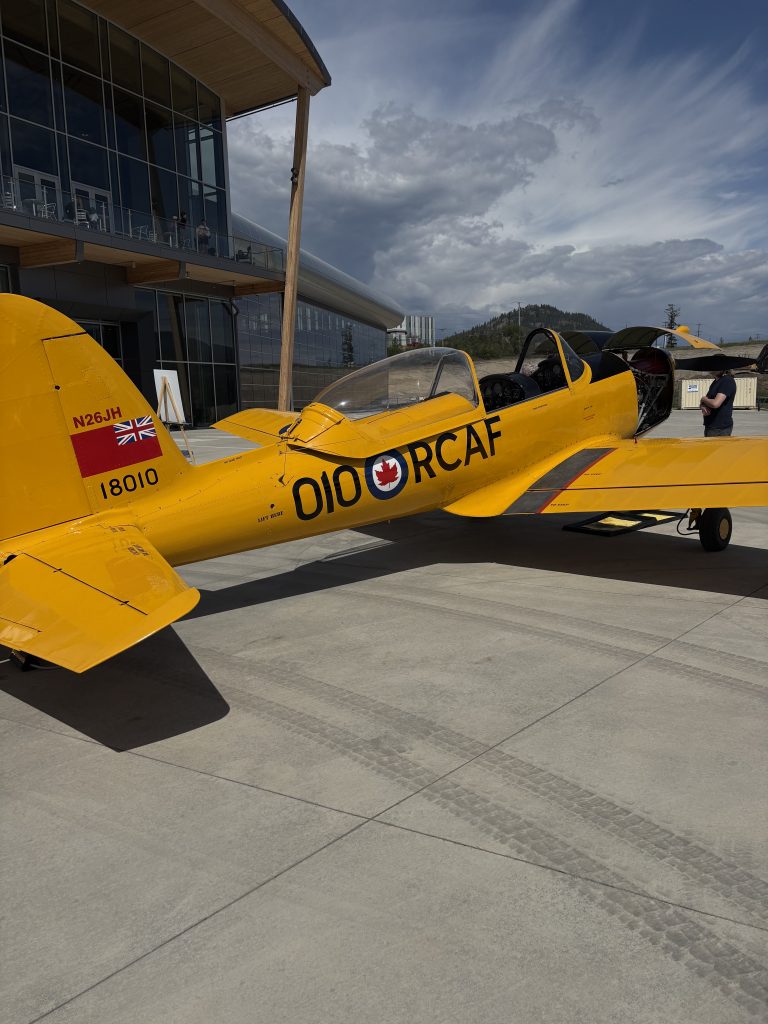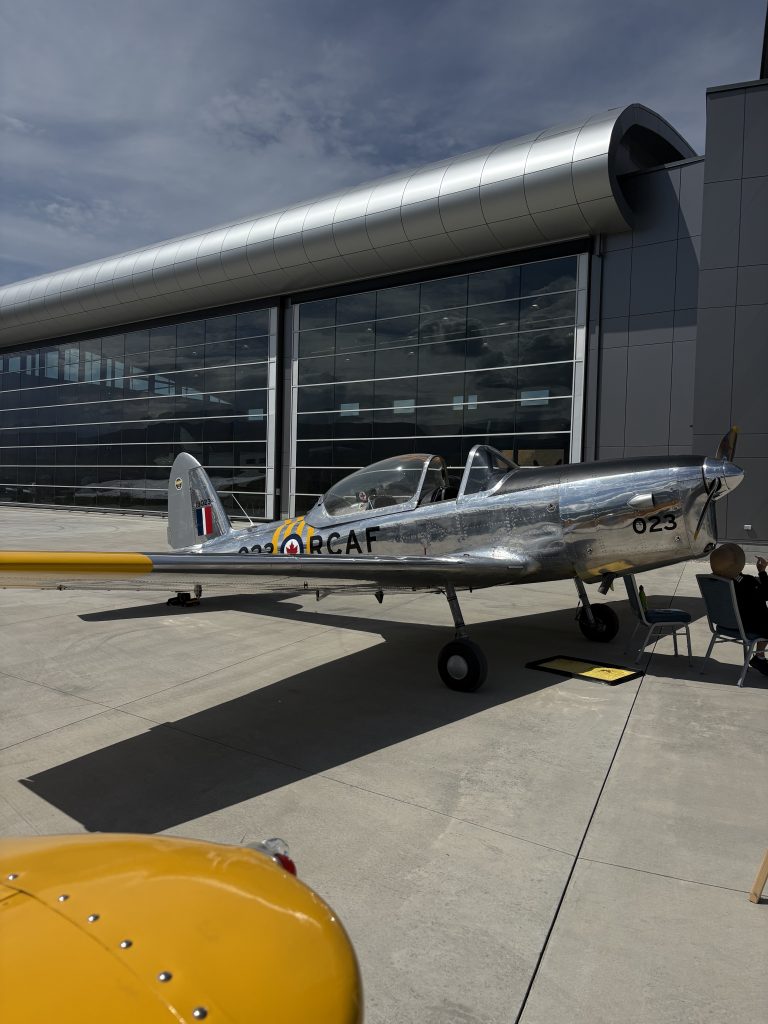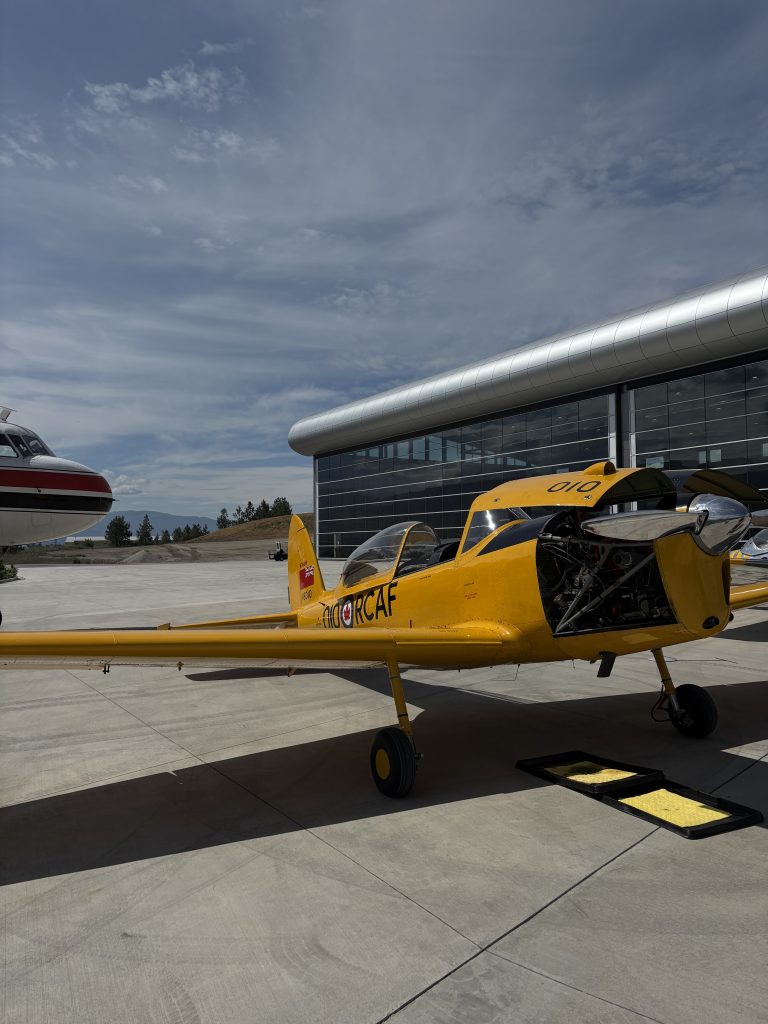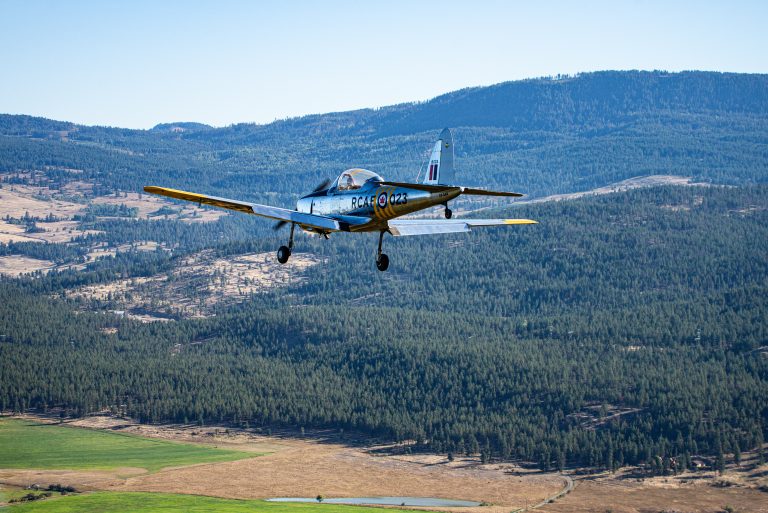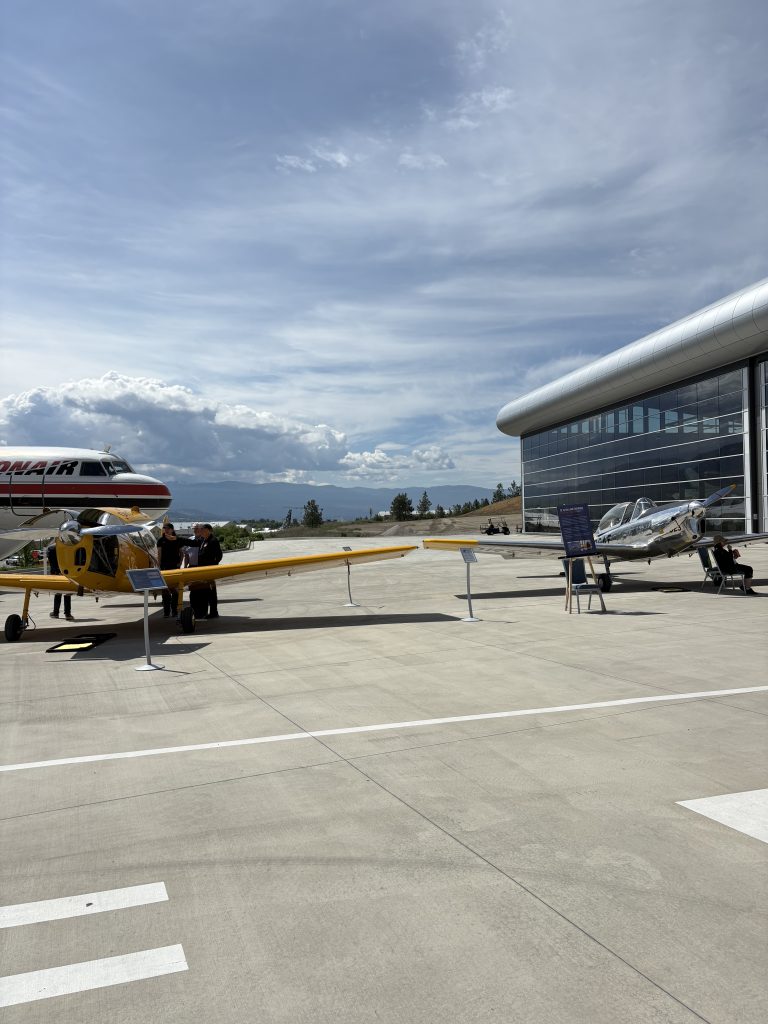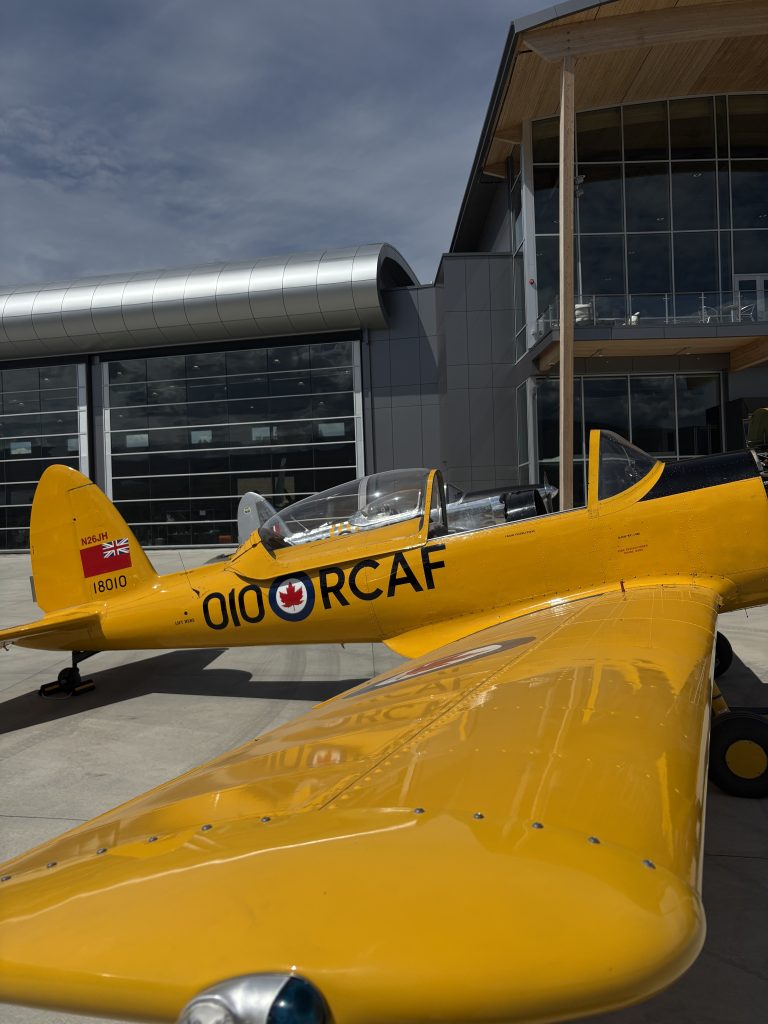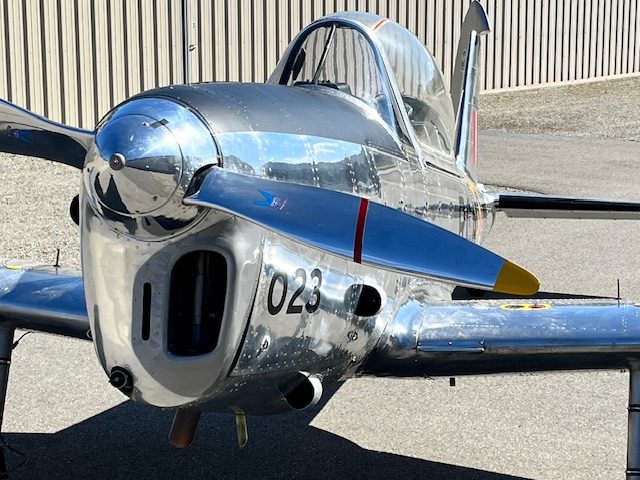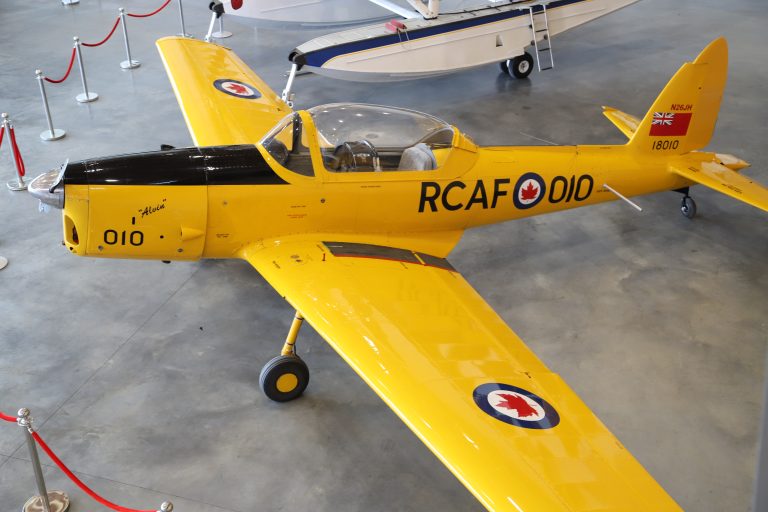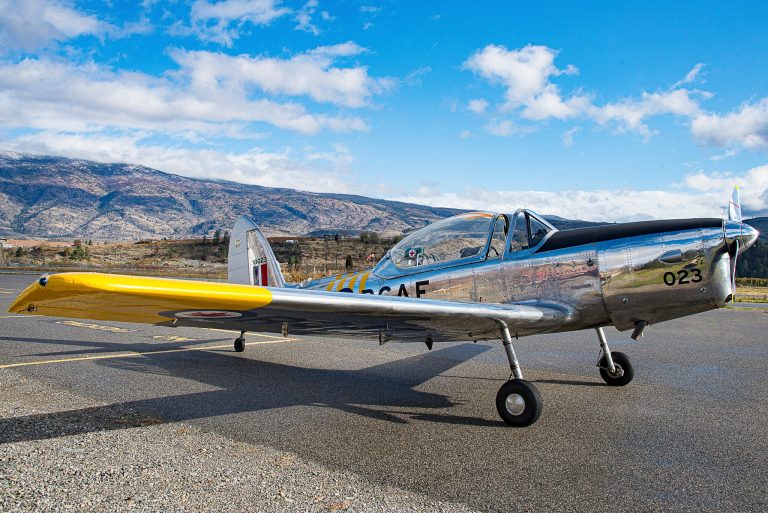

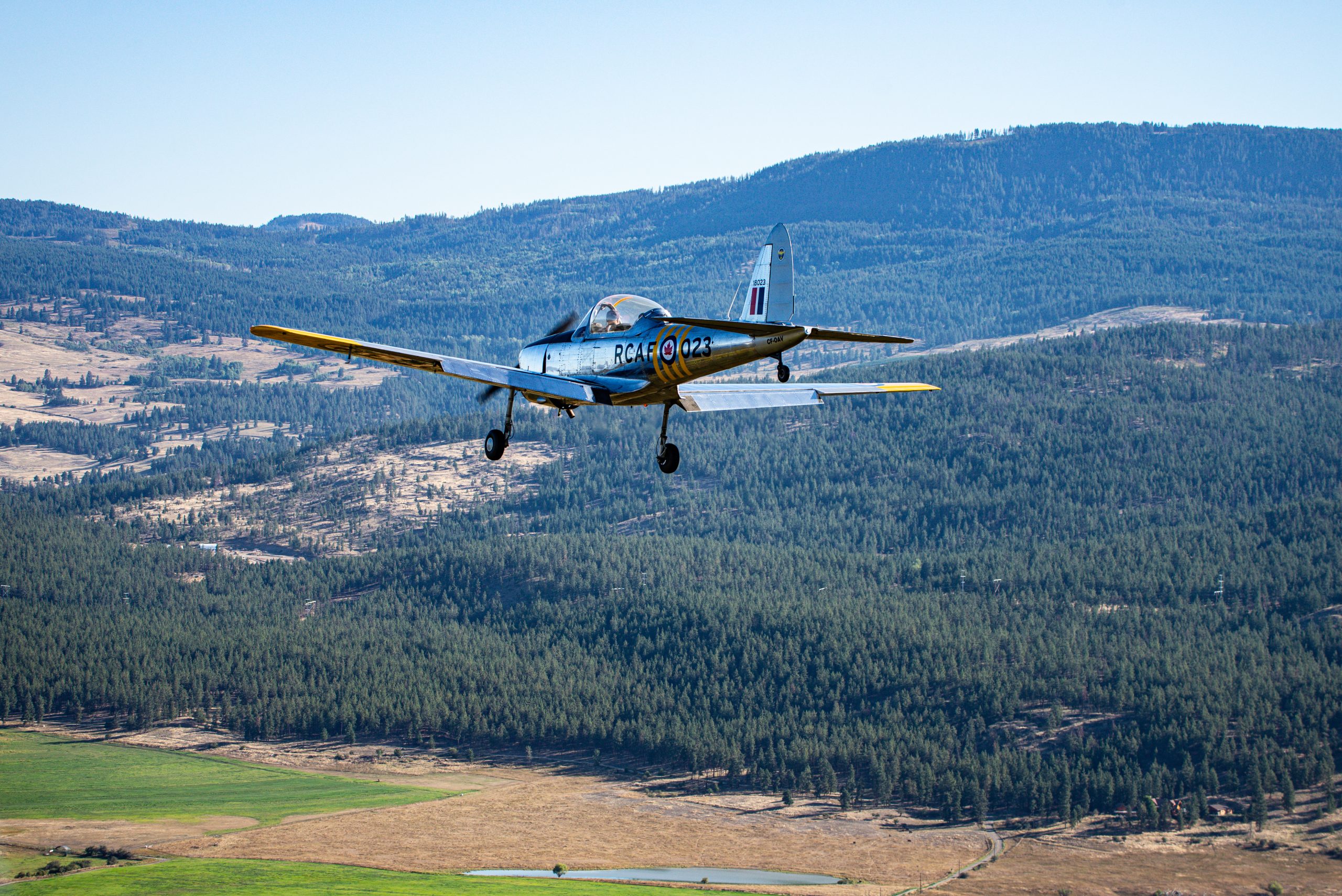
The KF Centre for Excellence is celebrating the 80th anniversary of the de Havilland Canada DHC-1 Chipmunk – a Canadian-built aircraft that helped shape postwar pilot training and became one of the most recognized trainer aircraft in aviation history.
First flown on May 22, 1946, the Chipmunk represented a new era of Canadian aviation following the Second World War. Designed and built by de Havilland Canada, the aircraft was created to modernize pilot training with improved handling, visibility, and aerobatic capability.
Over the decades, the Chipmunk became a familiar aircraft across Canada and internationally, serving with the Royal Canadian Air Force, Royal Air Force, and flight training organizations around the world. Its responsive flying characteristics and reliability earned it lasting respect among pilots and aviation enthusiasts alike.
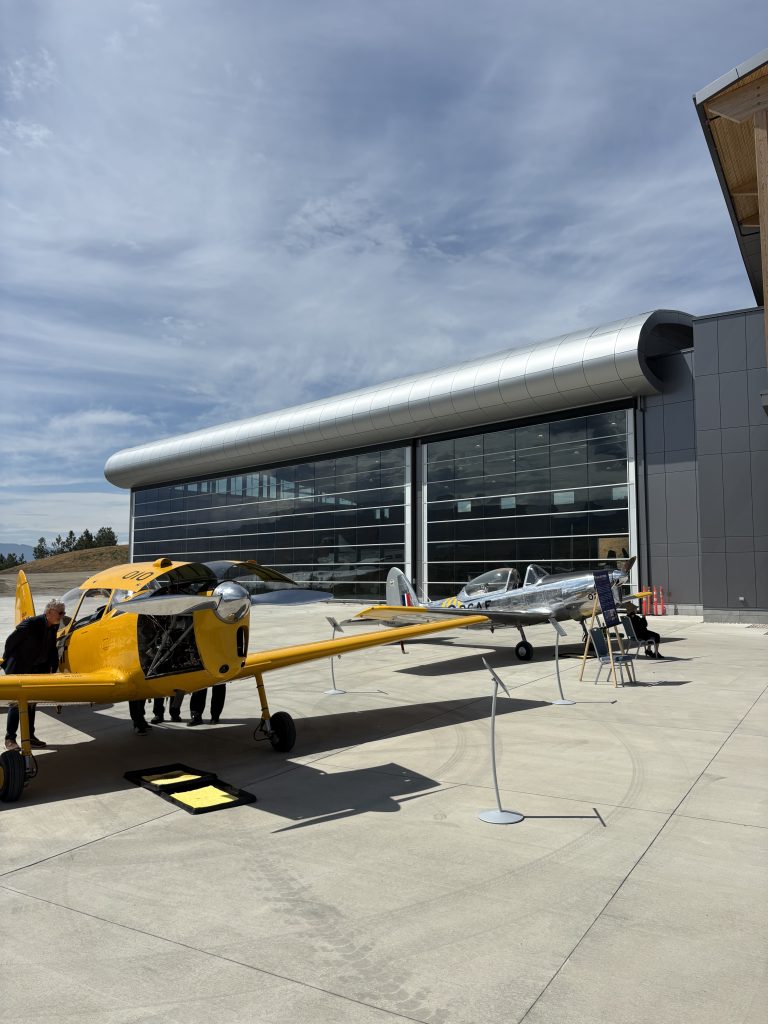
Today, visitors to the KF Centre for Excellence can experience this aviation legacy firsthand through the Centre’s own de Havilland Chipmunk aircraft on display as part of its growing collection of historic Canadian aircraft.
“The Chipmunk represents an important chapter in Canadian aviation history,” said Chris Lapointe, Executive Director at the KF Centre for Excellence. “For many pilots, aircraft like the Chipmunk were where their aviation journey began. Eighty years later, it continues to inspire curiosity and appreciation for aviation.”
As aviation continues to evolve, the Chipmunk remains a reminder of Canada’s contributions to aircraft design, pilot training, and aerospace innovation.
The KF Centre for Excellence invites the public to discover the story of the Chipmunk and explore the aircraft collection that helps preserve and share Canada’s aviation heritage.
Discover the Wonder of Aviation.